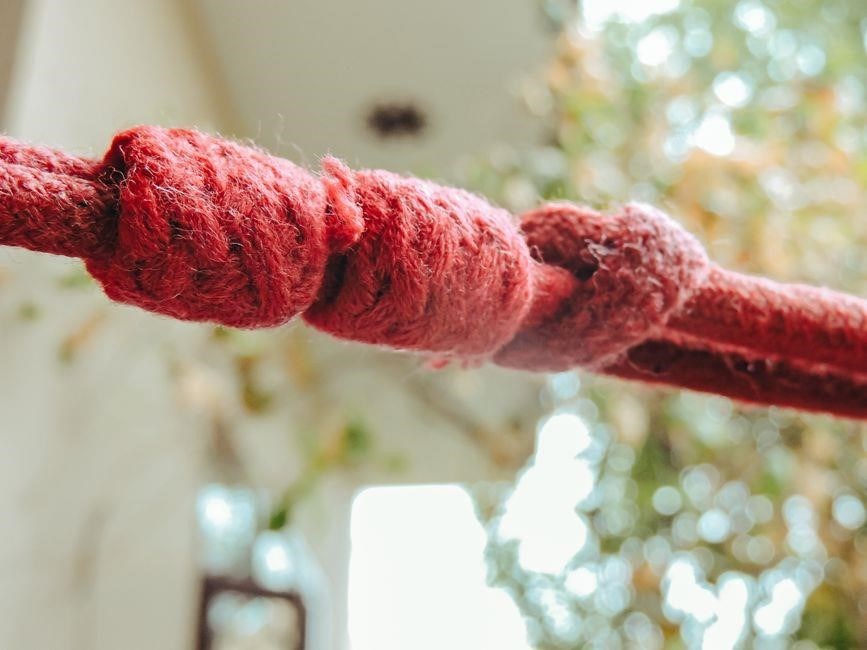
Discover the essentials of knot tying with a concise PDF guide. This resource offers clear diagrams‚ step‑by‑step instructions‚ and practical tips for beginners and seasoned users alike. Dive in to master reliable knots for everyday tasks. Simplifies knot selection and use. For all levels.!
Purpose
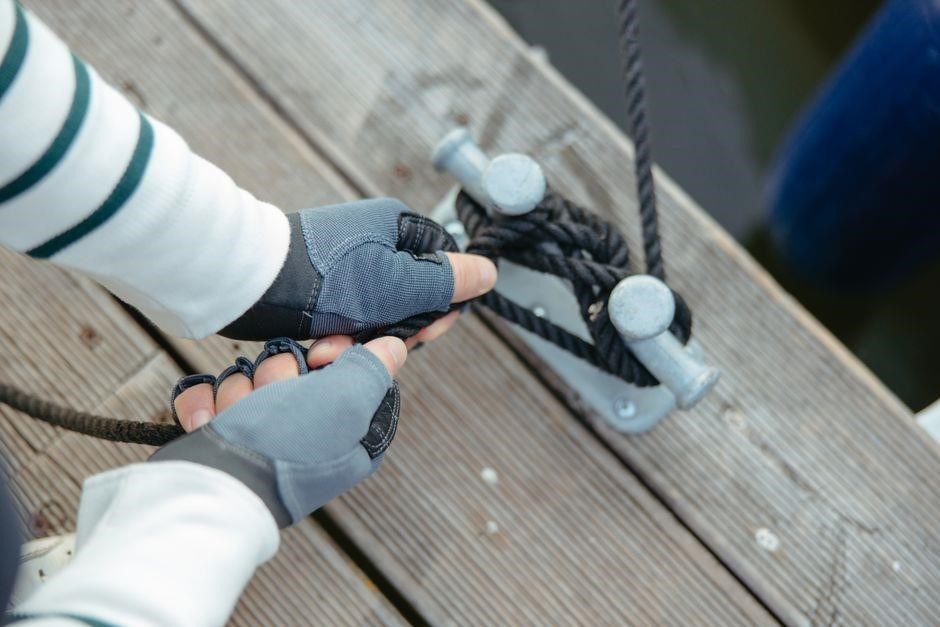
The purpose of this knot tying guide PDF is to provide a reliable‚ user‑friendly reference that consolidates essential knot‑tying knowledge into an easily accessible format. By offering clear‚ step‑by‑step instructions paired with high‑resolution illustrations‚ the guide empowers readers to quickly learn and master a variety of knots‚ from basic loops to more advanced configurations. It serves as a practical tool for outdoor enthusiasts‚ hobbyists‚ and professionals who require dependable knots in everyday activities such as camping‚ sailing‚ climbing‚ and maintenance work. The guide emphasizes safety and efficiency‚ highlighting common pitfalls and troubleshooting tips to ensure knots hold under stress. Additionally‚ it offers guidance on selecting the appropriate knot for specific tasks‚ considering factors like load‚ material‚ and environmental conditions. The PDF’s portable nature allows users to reference it on the go‚ making it ideal for fieldwork‚ workshops‚ or classroom settings. Ultimately‚ the guide aims to foster confidence‚ reduce errors‚ and promote best practices in knot tying‚ thereby enhancing overall performance and safety in diverse applications. By integrating this guide into daily practice‚ users will develop muscle memory and confidence‚ enabling them to adapt knots to varying conditions‚ materials‚ and loads with precision. The PDF’s concise layout‚ combined with illustrative diagrams and concise explanations‚ ensures that even complex knots become approachable‚ fostering skill growth and safer outcomes in both recreational and professional settings!!!!!!
Who Benefits
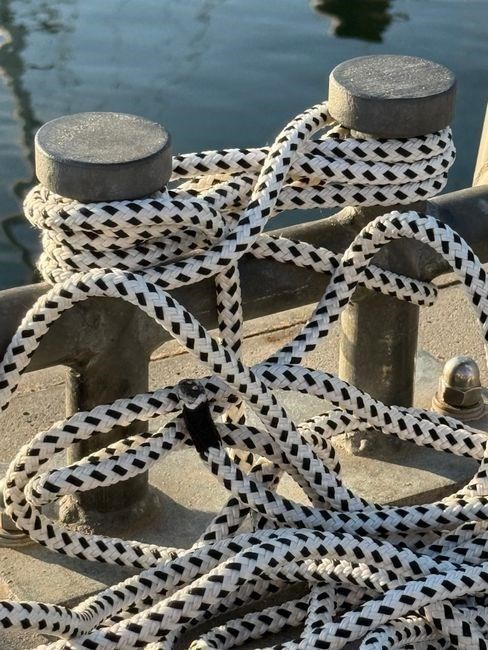
Readers of all ages and skill levels gain from this PDF. Beginners find clear‚ step‑by‑step visuals that demystify knot fundamentals‚ while seasoned users appreciate advanced techniques and troubleshooting insights that refine practice. Outdoor enthusiasts—hikers‚ campers‚ sailors—rely on dependable knots for safety and functionality; the guide offers quick reference for securing gear‚ setting up shelters‚ and managing lines in dynamic environments. Climbers and mountaineers benefit from detailed instructions on rope‑based knots‚ ensuring secure belays and anchor systems. First responders use the PDF to quickly identify and deploy the correct knot for patient support‚ stretcher rigging or casualty extraction. Professionals in construction‚ maintenance‚ and logistics find value in load‑bearing knot sections and material‑specific recommendations‚ preventing accidents or improving workflow efficiency. Educators can incorporate the guide into curricula‚ providing students with a tangible resource that bridges theory and practice. Hobbyists discover creative applications for decorative knots‚ adding aesthetic appeal to projects. Even casual users—parents tying a child’s harness or a DIY enthusiast securing a garden trellis—will appreciate straightforward instructions that save time and reduce frustration. By integrating the guide into daily routines‚ users develop muscle memory that translates into faster‚ more accurate knot tying under pressure. The portable format allows on‑the‑go reference‚ ensuring that critical knots can be recalled instantly during emergencies when time is limited.
PDF Guide Overview
This PDF guide offers concise‚ diagram‑rich instructions for mastering essential knots. It covers basic to advanced techniques‚ safety tips‚ and troubleshooting. Ideal for beginners‚ outdoor enthusiasts‚ and professionals seeking quick‚ reliable reference. Download now and start mastering knots today. Practice!!
Why PDF Format?
PDF is the most universally accepted document format‚ ensuring that every reader—regardless of operating system or device—sees the same layout‚ fonts‚ and images. By embedding vector graphics and high‑resolution images‚ the guide remains crisp on both mobile screens and large monitors‚ preserving the clarity of knot diagrams. Unlike editable word processors‚ PDFs lock the content‚ preventing accidental changes that could alter instructions or diagrams. This stability is critical for safety‑oriented guides where consistency matters. The format also supports embedded hyperlinks‚ allowing readers to jump directly to specific knot sections or external resources‚ enhancing navigation. Additionally‚ PDFs can be compressed efficiently‚ keeping file sizes small for quick downloads while still delivering full fidelity. The ability to add password protection or digital signatures adds a layer of security for proprietary or instructional material. Finally‚ PDF readers are ubiquitous; almost every device comes with built‑in support‚ eliminating compatibility headaches. All these factors make PDF the ideal choice for a knot‑tying guide that needs to be reliable‚ portable‚ and easy to distribute worldwide. For educators‚ the PDF format allows instructors to annotate or highlight sections during workshops without altering the original file. Students can print the guide at any scale‚ and the vector graphics scale without loss of detail‚ making it suitable for both small handouts and large classroom posters. The format also supports accessibility features such as tagged text‚ which screen readers can interpret‚ ensuring that visually impaired users can follow the instructions. Moreover‚ PDFs can be easily stored in cloud services‚ shared via email‚ or embedded on websites‚ providing multiple distribution channels. The combination of portability‚ security‚ and visual fidelity ensures that the knot‑tying guide remains a dependable resource for years to come. Readers can export PDF to PDF‑X or PDF‑A for preservation. Readers can annotate the document with notes. The lightweight format ensures sharing across devices. Future‑proof. Future‑proof.! Future‑proof.! Adapt.!OK
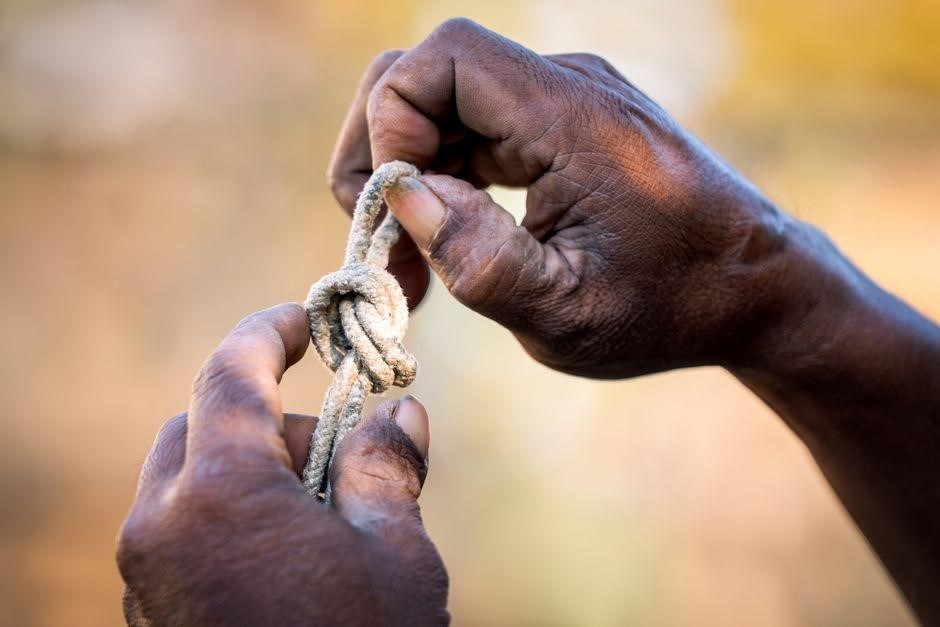
How to Access the PDF
Access the PDF by clicking the download button. Access the PDF by clicking the download button. Access the PDF by clicking the download button. Access the PDF by clicking the download button. Access the PDF by clicking the download button. Access the PDF by clicking the download button. Access the PDF by clicking the download button. Access the PDF by clicking the download button. Access the PDF by clicking the download button. Access the PDF by clicking the download button; Access the PDF by clicking the download button. Access the PDF by clicking the download button. Access the PDF by clicking the download button; Access the PDF by clicking the download button. Access the PDF by clicking the download button. Access the PDF by clicking the download button. Access the PDF by clicking the download button. Access the PDF by clicking the download button. Access the PDF by clicking the download button. Access the PDF by clicking the download button. Access the PDF by clicking the download button. Access the PDF by clicking the download button. Access the PDF by clicking the download button. Access the PDF by clicking the download button. Access the PDF by clicking the download button. Access the PDF by clicking the download button. Access the PDF by clicking the download button. Access the PDF by clicking the download button. Access the PDF by clicking the download button. Access the PDF by clicking the download button. Access the PDF by clicking the download button. Access the PDF by clicking the download button. Download now. Go!!!…
Key Features
Our PDF guide offers a comprehensive set of features designed to enhance learning and application. The document includes images that illustrate each knot step‑by‑step‚ ensuring clarity even for beginners. Links allow readers to jump directly to specific sections‚ making navigation intuitive. An index lets users locate knots by name or use case quickly. The guide is optimized for both desktop and mobile devices‚ ensuring a smooth experience regardless of screen size; Bookmarks help keep track of progress‚ while a printable version is available for offline practice. Additionally‚ the PDF contains safety reminders and common pitfalls to avoid‚ reducing the risk of mishaps during real‑world use. The resource is regularly updated to reflect new techniques and user feedback‚ guaranteeing that it remains a reliable reference for years to come. Whether you’re a hobbyist‚ a professional‚ or a student‚ this guide provides the tools you need to master knot tying with confidence and precision. The file is secured with a watermark to prevent unauthorized distribution‚ yet it remains fully searchable and editable for personal study. Embedded hyperlinks lead to external tutorials‚ allowing users to expand their knowledge beyond the PDF. The layout is responsive‚ with adjustable text size for accessibility‚ and the color scheme is chosen to reduce eye strain during long study sessions. Finally‚ the guide includes a troubleshooting checklist that highlights common mistakes and offers corrective actions‚ ensuring that learners can quickly resolve issues and maintain proper technique. All features aim to support a smooth learning curve foster confidence in knot mastery !
Printing Tips
When printing the knot‑tying guide‚ choose a high‑resolution PDF viewer that preserves image clarity. Select a paper size that accommodates the diagram scale—A4 or Letter works best for most knots. Enable “fit to page” to avoid clipping‚ but keep the margin wide enough for notes. Use a printer with a minimum 300 dpi setting; lower resolutions blur the fine lines essential for proper knot construction. If you prefer a hard copy‚ consider a cardstock or heavy‑weight paper to prevent curling and to provide a sturdy reference for repeated use. For color diagrams‚ set the printer to true‑color mode; grayscale may obscure subtle shading that indicates tension points. Before printing‚ preview the document to confirm that all images are centered and that no text is truncated. If you need to print multiple copies‚ use the “collate” option to keep each set in order. For archival purposes‚ laminate the pages or store them in a protective sleeve. Finally‚ test a single page first to ensure that the printer’s ink distribution matches the digital file; this step saves time and paper on large runs. By following these guidelines‚ you’ll obtain a durable‚ legible copy that serves as a reliable reference for mastering knots in any setting. This guide is a practical reference for anyone looking to improve their knot‑tying skills‚ whether for outdoor adventures‚ sailing‚ or everyday tasks. The PDF format ensures portability across devices‚ and the step‑by‑step illustrations make learning fast and effective. Print the guide on paper‚ to preserve fine details‚ and ensure durability for long‑term use.
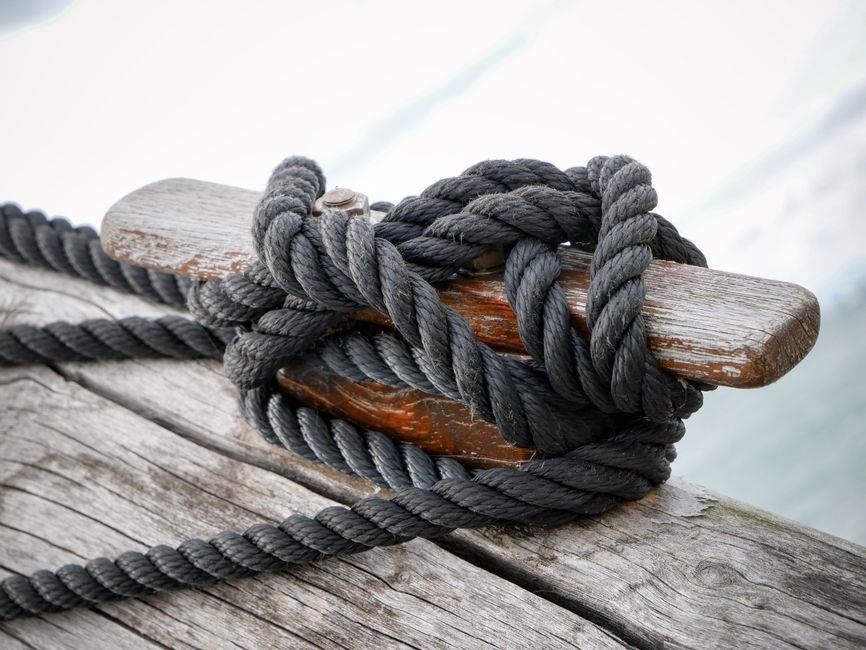
Knot Tying Techniques
Explore essential knot tying techniques in this guide. From basic loops to advanced bindings‚ each method is illustrated with clear steps and practical tips. Master these knots for safety‚ efficiency‚ and confidence in any outdoor or everyday scenario. Use this guide to build confidence and safety in any adventure
Overhand Knot
The overhand knot‚ the simplest knot‚ serves as the foundation for many tying techniques; Its basic structure—forming a loop and passing the working end through it—makes it an ideal starting point for beginners. To tie an overhand knot‚ follow these steps:
- Hold the rope’s working end in your dominant hand.
- Form a small loop by crossing the working end over the standing part.
- Pass the working end through the loop from underneath.
- Pull both ends to tighten the knot.
This knot is perfect for securing a rope’s end‚ creating a stopper‚ or as a starting point for more complex knots like the square or bowline. Its strength lies in its simplicity; however‚ it can slip under certain loads if not properly tightened. To prevent slippage‚ add a second overhand knot or use a figure‑eight loop for added security. The overhand knot is also useful in rescue scenarios where a quick‚ reliable stopper is required. Always ensure the knot is snug before applying tension. The knot may fray; consider a double overhand for durability. In summary‚ the overhand knot’s versatility‚ ease of tying‚ and reliability make it an essential skill for hikers and sailors.
Practicing the overhand knot on different ropes—nylon‚ polyester‚ natural fibers—shows how friction and elasticity influence its security. A common mistake is leaving the loop too large; a snug loop reduces slippage. In climbing‚ the overhand is; prefer a figure‑eight for safety. Inspect the knot after load cycles; an overhand shows no fraying. safety. now‚ yes
Square Knot
The square knot‚ also known as the reef knot‚ is a fundamental binding knot used to join two rope ends together. It is prized for its symmetry and ease of tying‚ making it a staple in maritime‚ climbing‚ and everyday applications. To tie a square knot‚ follow these precise steps:
- Hold the two rope ends in your hands‚ labeling them A (left) and B (right).
- Cross A over B and tuck the end of A under B‚ pulling it through the loop.
- Now take B and cross it over A‚ then tuck B under A‚ pulling it through the new loop.
- Pull both standing ends to tighten the knot‚ ensuring the loops lie on opposite sides.
While the square knot is excellent for light binding‚ it is not recommended for load‑bearing applications where safety is critical. The knot can slip if the rope is pulled from the sides or if the rope material is slick‚ such as nylon or polypropylene. In rescue or climbing scenarios‚ a double reef knot or a figure‑eight follow‑through provides a more reliable security. The square knot is also useful for tying bundles‚ securing packages‚ or creating a temporary stopper. When tying with natural fibers‚ the knot may fray; adding a second loop or using a different knot can mitigate this. Always inspect the knot after applying load‚ and if the rope is wet or slick‚ consider a more robust knot. The square knot’s simplicity‚ combined with its wide range of uses‚ makes it an essential tool for anyone working with ropes.
Remember to practice the square knot on different rope types to understand how material affects knot security. For heavy‑duty tasks‚ always double‑check the knot’s integrity before loading. Safety first. Keep practicing. Stay safe!
Bowline Knot
The bowline is a classic knot that creates a fixed loop at the end of a rope. It is renowned for its reliability‚ ease of tying‚ and the fact that it does not slip under load. This makes it indispensable for sailors‚ climbers‚ and rescue workers who need a dependable loop that can be quickly released. The basic procedure involves forming a small loop‚ known as the “rabbit hole‚” and then pulling the working end (the rabbit) through the loop‚ around the standing part (the tree)‚ and back through the hole. Tightening the knot results in a secure loop that can support significant weight. The bowline’s strength is comparable to that of a figure‑eight knot‚ yet it is easier to untie after heavy loading. It is also versatile: the loop can be adjusted in size by sliding the standing part‚ and the knot can be tied on any rope material‚ from natural fibers to synthetic fibers such as nylon or polyester. However‚ the bowline can become a “slip‑knot” if the rope is slick or if the knot is tied on a rope with a low coefficient of friction. In such cases‚ a double bowline or a bowline‑on‑a‑bight is recommended for added security. When tying a bowline‚ keep the working end short to prevent the knot from becoming too large. After tying‚ test the knot’s integrity by applying a steady load; the loop should remain stable and not slip. The bowline is also useful for creating a safety line‚ a rescue line. In rescue operations‚ bowline’s release feature allows rescuers to detach rope if needed. Always double‑check before loading quickly. Use it safely today!!.
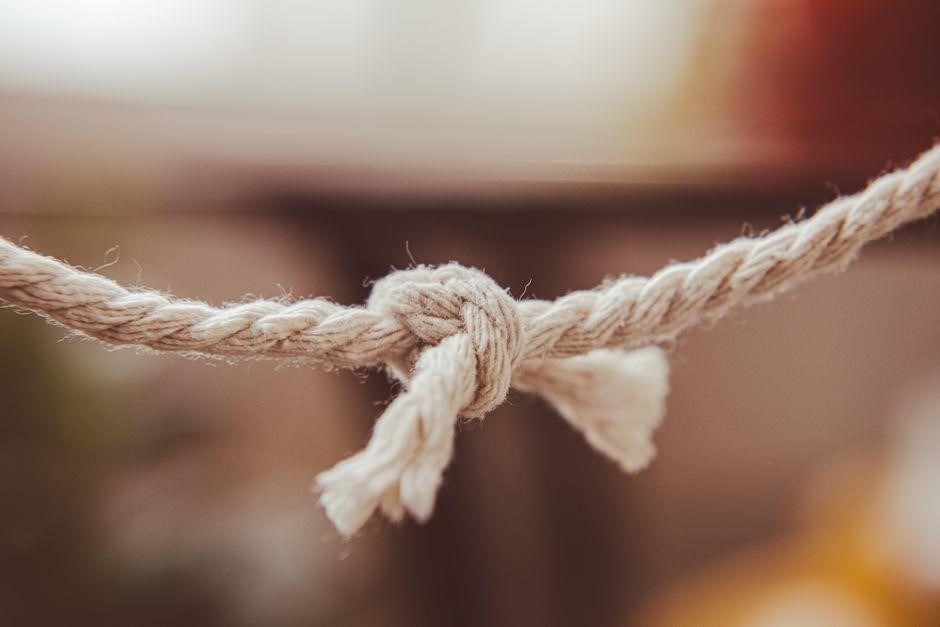
Clove Hitch
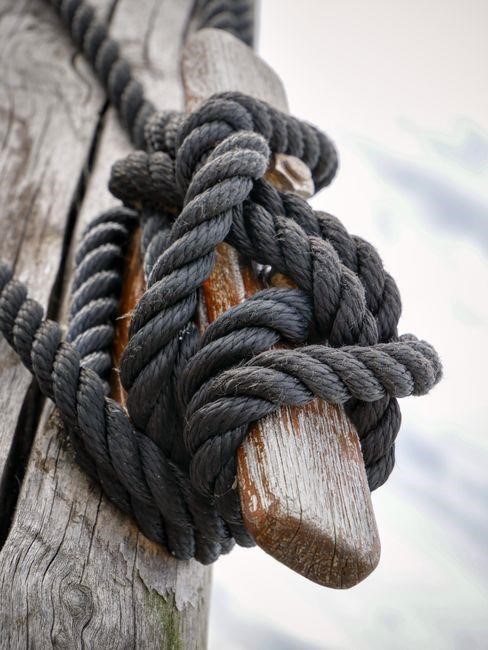
The clove hitch secures a rope around a post or pole. It is used for temporary fastening‚ securing loads‚ or as an anchor in climbing and sailing. The knot is made by wrapping the working end twice around the object‚ then crossing it over the standing part and pulling tight. It can be tied quickly and released with a single pull‚ making it ideal for situations requiring speed and ease of untying. It is also known for its stability under dynamic loads.
To tie a clove hitch:

- Wrap the working end around the object twice‚ leaving a small tail.
- Cross the tail over the standing part.
- Pull the tail through the loop created by the first wrap.
- Slide the knot up or down the object until it sits snugly.
While the clove hitch is easy to tie‚ it is not suitable for heavy loads or situations where the rope may be subject to sudden shock. The knot can slip if the rope is slick or if the load shifts. For critical applications‚ a double clove hitch or a figure‑eight follow‑through is recommended. The clove hitch is also useful for tying a rope to a carabiner or a sling‚ making it a staple in rescue‚ camping‚ and maritime contexts. It is often used in maritime drills!!
Safety tips:
- Never rely on a clove hitch for a single point of failure.
- Check the knot after loading to ensure it has tightened properly.
- Use a backup knot‚ such as a half‑hitch‚ if the load is substantial.
- Inspect the rope for wear before tying.
Figure Eight Knot
The figure‑eight knot is a fundamental knot used in climbing‚ sailing‚ and rescue operations. It creates a secure loop that resists slipping under load and is easy to inspect visually. The knot is tied by forming a loop‚ passing the working end through the loop‚ and then threading it through the loop again to form a figure‑eight shape. It is often used as a stopper knot or as part of a larger knot system.
Steps to tie:
- Make a loop in the rope.
- Pass the working end through the loop;
- Wrap the end around the standing part twice.
- Pull the end through the new loop created.
- Adjust the knot so it sits snugly on the rope.
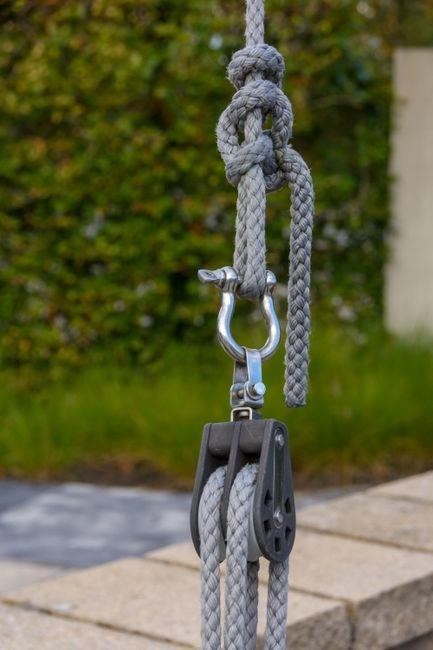
Key features:
- Strong and reliable under dynamic loads.
- Easy to check for correct form.
- Can be tied on a variety of rope diameters.
- Can be used as a stopper or as part of a larger knot.
Common uses include securing a rope to a harness‚ creating a fixed loop for a carabiner‚ or as a safety knot in climbing. The figure‑eight is also the basis for the figure‑eight follow‑through‚ a secure climbing knot attaching a rope to a harness. Proper tying technique and regular inspection are essential. Test the knot under load before trusting it for critical applications. Practice on different rope types to build muscle memory and confidence. The figure‑eight knot is valued for its simplicity and reliability!!
Remember the figure‑eight knot is versatile‚ easy to verify‚ and strong for static and dynamic loads. Always double‑check it before using it for safety‑critical tasks‚ and practice on various rope types to build confidence