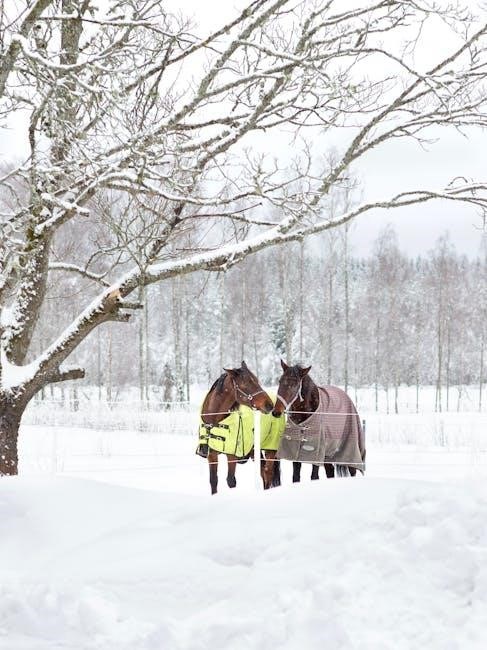
Horse Blanket Temperature Guide: A Comprehensive Plan
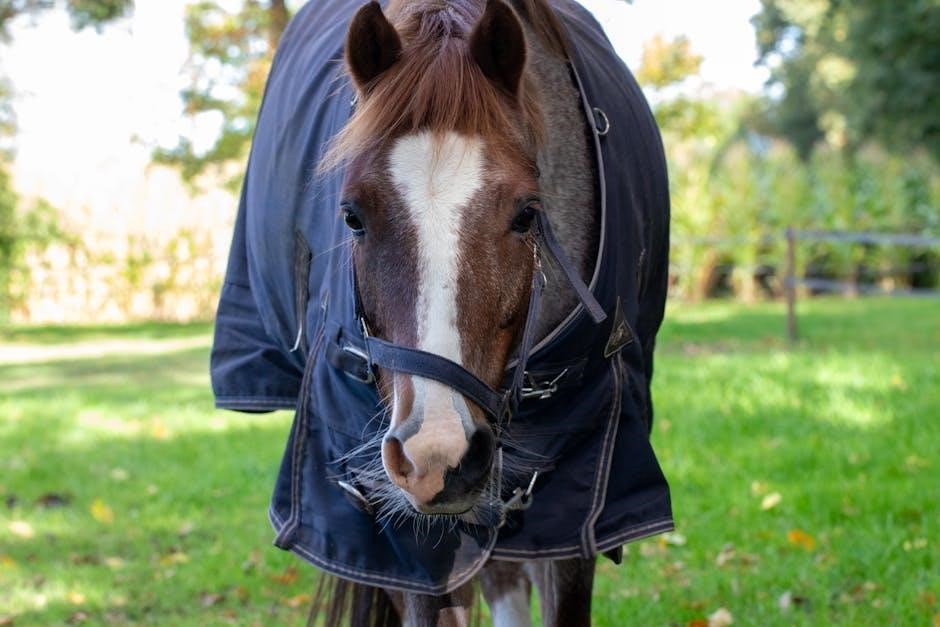
Navigating seasonal changes requires understanding when and what blanket weight to use, ensuring equine comfort and health throughout the year․
Horse blanketing is a practice rooted in providing comfort and protection against varying weather conditions․ It’s more than simply covering a horse; it’s a nuanced approach considering individual needs, climate, and activity level․ Historically, horses relied on their natural coats for insulation, but modern management often involves clipping, altering their natural defenses․
Therefore, blanketing becomes crucial for maintaining a healthy body temperature․ Understanding the principles of heat loss and retention is paramount․ Factors like wind, rain, and temperature significantly impact a horse’s thermal regulation․ Selecting the appropriate blanket weight – from lightweight sheets to heavyweight options – is essential․ This guide will delve into the specifics, empowering owners to make informed decisions for their equine companions, ensuring their well-being throughout the seasons․
Why Use Horse Blankets?
Horse blankets serve multiple vital purposes beyond just warmth․ For clipped horses, blankets are essential to replace the lost natural insulation, preventing chilling and maintaining core body temperature․ They protect against harsh weather – rain, wind, and snow – minimizing the energy expenditure required for thermoregulation․ This conserved energy can then be directed towards performance, growth, or recovery․
Blankets also aid in maintaining a consistent body temperature during transitions, like travel or post-exercise cooling․ Furthermore, they can help prevent rain rot and other skin conditions by keeping the coat dry․ Ultimately, strategic blanketing supports overall health and well-being, allowing horses to thrive comfortably in diverse climates and management scenarios, optimizing their physical condition․
Factors Influencing Blanket Choice
Selecting the appropriate horse blanket isn’t a one-size-fits-all decision; several key factors demand consideration․ The climate is paramount – a horse in Florida will require vastly different protection than one in Montana․ A horse’s individual metabolism and body condition play a significant role; a thin-skinned horse needs more protection․
Whether a horse is clipped dramatically alters its insulation needs, necessitating blanketing even in moderately cool temperatures․ Lifestyle also matters; horses in work generate more heat than those at pasture․ Finally, consider the horse’s acclimation to cold weather – gradual exposure builds natural resilience․ Carefully evaluating these elements ensures optimal comfort and health․
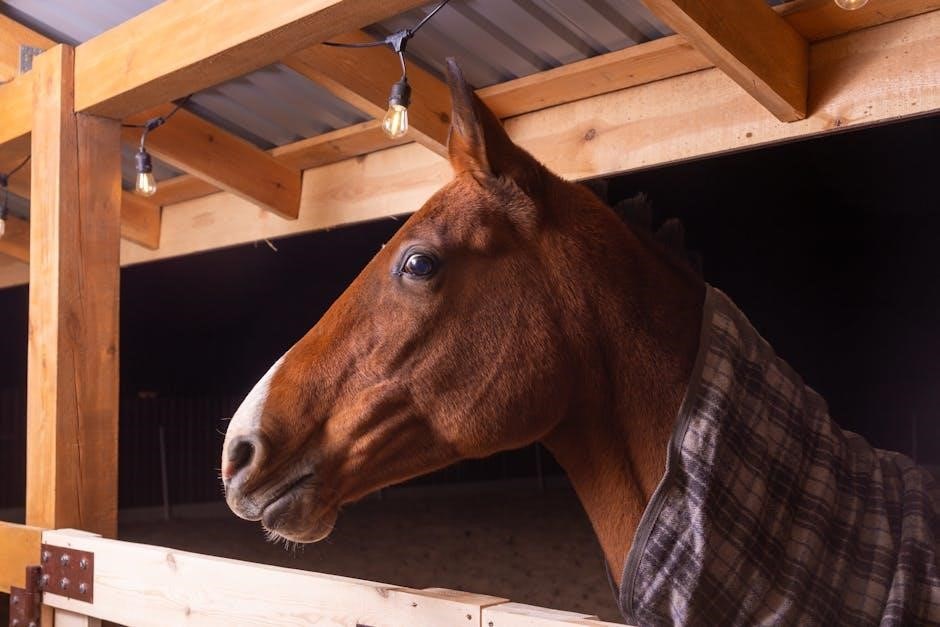
Blanket Weights & Denier Explained
Blanket weight, measured in grams (g), indicates fill amount, while denier relates to the fabric’s waterproofness and durability for optimal protection․
Lightweight Blankets (0-100g Fill)
Lightweight blankets, featuring 0-100g of fill, are ideal for transitional weather or horses who require minimal coverage․ These blankets primarily offer a barrier against light rain and wind, without providing significant warmth․ They’re perfect for horses with a full winter coat who simply need protection from the elements, or during milder fall and spring days․
Often referred to as “sheets,” these blankets are breathable and prevent coat dulling, while still offering some protection․ They are a great choice for horses who overheat easily or those living in moderate climates․ Consider a lightweight blanket when temperatures are hovering around 40-50°F (4-10°C), or as a layering option under heavier blankets when colder temperatures arrive․ Selecting the right lightweight blanket ensures your horse remains comfortable without being overly warm․
Medium Weight Blankets (200-300g Fill)
Medium weight blankets, with a fill of 200-300g, strike a balance between warmth and breathability, making them versatile for a range of conditions․ These blankets are suitable for cooler temperatures, typically between 30-40°F (-1-4°C), providing sufficient insulation without causing overheating in moderately cold climates․ They are a popular choice for horses who are clipped or have thinner coats, offering extra protection during the colder months․
Medium weight blankets are also excellent layering pieces, allowing you to adjust your horse’s warmth level as temperatures fluctuate․ They offer a good level of weather protection, shielding against both wind and light precipitation․ Choosing a medium weight blanket ensures your horse stays comfortable and protected during those transitional periods when the weather is unpredictable․
Heavyweight Blankets (350-450g Fill)
Heavyweight blankets, boasting a fill power of 350-450g, are designed for the coldest temperatures, providing maximum warmth and protection․ Ideal for temperatures below 20°F (-7°C), these blankets are essential for unclipped horses in harsh winter climates or for those with limited natural insulation․ They effectively shield against frigid winds, snow, and prolonged periods of cold weather, preventing chilling and maintaining core body temperature․
For extremely cold conditions, consider combining a heavyweight blanket with a liner for enhanced warmth․ These blankets are a crucial component of winter horse care, ensuring comfort and preventing health issues associated with cold stress․ Selecting the right heavyweight blanket is vital for horses susceptible to cold or those living in regions with severe winters․
Understanding Denier & Waterproofing

Denier refers to the fabric’s thread density; a higher denier indicates a more durable and robust material, resisting tears and abrasions․ Waterproofing is crucial for protecting your horse from rain and snow, preventing chilling and maintaining a comfortable body temperature․ Blankets are often rated as waterproof or water-resistant, with waterproof offering complete protection and water-resistant providing some defense against moisture․
Consider the climate when choosing waterproofing levels․ For consistently wet conditions, a fully waterproof blanket is essential․ Breathability is also key; a waterproof blanket should still allow moisture vapor to escape, preventing sweat buildup and discomfort․ Combining denier and appropriate waterproofing ensures a durable, protective blanket suited to your horse’s environment․
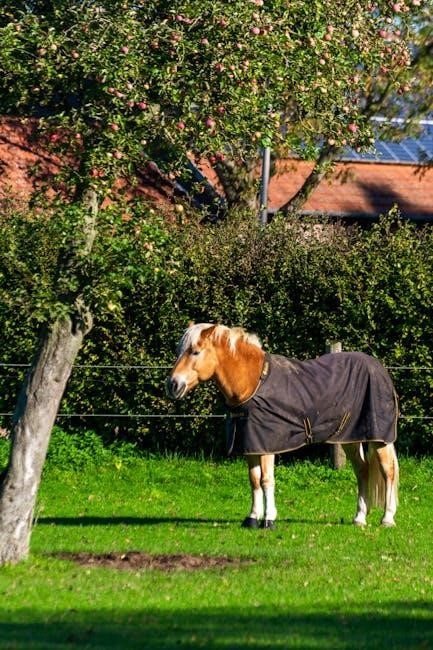
Temperature Ranges & Blanket Selection
Selecting the appropriate blanket hinges on temperature, factoring in wind chill and precipitation to maintain optimal equine warmth and well-being․
Above 50°F (10°C): No Blanket Needed
When temperatures consistently remain above 50°F (10°C), most horses generally do not require a blanket․ This temperature range is typically comfortable for horses with a healthy winter coat, allowing them to regulate their body temperature naturally․
However, consider individual factors․ Horses that are clipped, elderly, or have underlying health conditions may still benefit from a light sheet even in these milder temperatures․ Monitoring your horse’s behavior – looking for signs of shivering or discomfort – is crucial․
A light sheet can be used as a rain cover if needed, but avoid overheating․ The goal is to provide protection from the elements without interfering with the horse’s natural thermoregulation process․ Prioritize observing your horse’s individual needs and adjusting accordingly․
40-50°F (4-10°C): Lightweight Blanket or Sheet
Within the 40-50°F (4-10°C) range, a lightweight blanket or sheet becomes a suitable option for many horses․ This provides a gentle layer of warmth without causing overheating, particularly for those with a well-maintained winter coat․ A sheet offers minimal insulation, primarily serving as protection from light rain or wind․
Consider your horse’s individual needs; clipped horses or those with less body fat will likely require a lightweight blanket for added warmth․ Monitor for shivering or signs of discomfort․ A 0-100g fill weight is typical for this temperature range, offering a balance between protection and breathability․
Regularly check the blanket’s fit to ensure it isn’t causing rubbing or restricting movement․ Adjust based on weather conditions and your horse’s response․
30-40°F (-1-4°C): Medium Weight Blanket
When temperatures dip between 30-40°F (-1-4°C), a medium-weight blanket is generally recommended for most horses․ This provides a noticeable increase in warmth compared to a lightweight option, crucial for maintaining core body temperature during colder snaps․ A fill weight of 200-300g is typical, offering substantial insulation without excessive heat retention․
Horses that are clipped, older, or have a thinner coat will benefit significantly from a medium-weight blanket in these conditions․ Observe your horse closely for signs of shivering, tucking their tail, or seeking shelter․
Ensure the blanket fits properly to prevent rubbing and allow for comfortable movement․ Consider waterproof or water-resistant options if precipitation is expected․
20-30°F (-7- -1°C): Heavyweight Blanket
As temperatures fall to between 20-30°F (-7- -1°C), a heavyweight blanket becomes essential for most horses, particularly those with limited natural protection․ These blankets typically feature a fill weight ranging from 350-450g, providing significant insulation against the cold․ This level of warmth is vital for preventing hypothermia and maintaining a healthy body temperature․
Clipped horses, senior horses, and those with poor body condition will especially require a heavyweight blanket during these colder periods․ Monitor your horse for shivering or other signs of discomfort․
Waterproof and windproof features are highly recommended to protect against harsh winter elements, ensuring optimal warmth and dryness․
Below 20°F (-7°C): Heavyweight Blanket with Liner
When temperatures plummet below 20°F (-7°C), even a heavyweight blanket may not provide sufficient warmth, necessitating the addition of a liner․ A liner effectively increases the blanket’s overall insulation, offering crucial protection against extreme cold․ This combination is particularly important for horses that are clipped, elderly, or have difficulty maintaining body heat․
Consider a liner with a fill weight appropriate for the additional cold exposure․ Regularly check your horse for signs of shivering, as this indicates insufficient warmth․
Ensure the liner is securely attached to the blanket to prevent shifting and maintain optimal thermal efficiency during frigid conditions․
Horse-Specific Considerations
Individual horse factors—age, health, coat condition, and metabolism—significantly influence blanketing decisions, demanding tailored approaches for optimal comfort and well-being․
Age & Health of the Horse
Young foals and senior horses often have difficulty regulating their body temperature effectively, necessitating careful consideration when deciding whether to blanket․ Foals may require blankets in colder weather, but it’s crucial to avoid overheating and restricting natural movement․ Older horses, particularly those with compromised immune systems or underlying health conditions like Cushing’s disease, may be more sensitive to cold and benefit from blanketing at slightly warmer temperatures․
Horses with health issues impacting their ability to maintain weight or generate sufficient body heat also require closer monitoring․ A horse recovering from illness or surgery may need extra warmth․ Conversely, horses prone to overheating or with respiratory problems should be blanketed cautiously, prioritizing breathability and avoiding excessive insulation․ Always consult with a veterinarian to determine the best blanketing strategy based on your horse’s individual health status․
Coat Condition & Clipping
A horse’s natural winter coat provides significant insulation; therefore, a heavily coated horse generally requires less blanketing than one that is clipped․ Clipping removes this natural protection, dramatically increasing the need for blankets, even at moderate temperatures․ Full-body clips necessitate blanketing at much lower temperatures than horses with a full winter coat․
Consider the extent of clipping – a trace clip offers some insulation, while a blanket clip removes a substantial amount․ Horses with patchy or thin winter coats, due to age, illness, or breed, will also require more protection․ Regularly assess your horse’s coat condition and adjust blanketing accordingly․ Remember that re-growing coats can be particularly sensitive, requiring careful monitoring to prevent chilling or overheating․
Individual Metabolism & Tolerance
Each horse possesses a unique metabolic rate and tolerance to cold, influencing their blanketing needs․ Some horses naturally maintain body temperature more efficiently than others, requiring less supplemental warmth․ Older horses or those with underlying health conditions may struggle to regulate their temperature and benefit from earlier and more consistent blanketing․
Observe your horse for signs of being too hot or too cold – shivering, sweating, or seeking shelter․ Young horses, particularly foals, are more susceptible to temperature fluctuations and require careful monitoring․ Consider a horse’s activity level; working horses generate more heat and may need less blanketing during exercise․ Adjust blanketing based on individual responses and environmental conditions․
Blanket Fit & Measurement
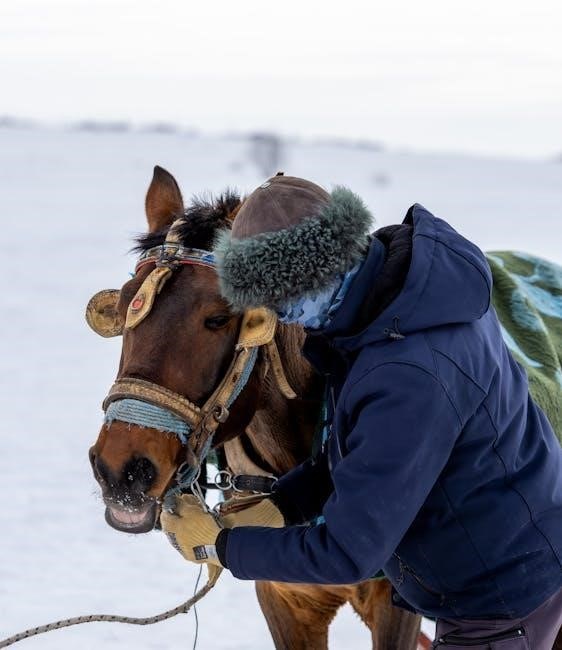
Accurate measurements and proper fit are crucial for comfort and preventing rubbing; a snug, yet not restrictive, fit is ideal for optimal protection․
How to Measure Your Horse for a Blanket
Measuring your horse accurately is the first step to ensuring a comfortable and secure blanket fit․ You’ll need a flexible measuring tape and an assistant can be helpful! Begin by measuring from the center of the horse’s chest, along the top of the withers, to the tailhead․ This measurement, in inches, will generally determine the blanket size needed․
Important considerations include: If your horse falls between sizes, it’s generally best to size up․ Always measure while your horse is standing squarely․ A video guide can be incredibly useful for visualizing the process, ensuring you capture the correct points․ Dover Saddlery and other equestrian retailers offer excellent step-by-step instructions and visual aids to help you determine your horse’s size correctly․ Remember to account for any significant changes in your horse’s weight or body condition, as this may necessitate re-measuring․
Importance of Proper Fit
A properly fitted blanket is crucial for your horse’s comfort, safety, and overall well-being․ A blanket that is too tight can cause rubbing, pressure sores, and restrict movement, leading to discomfort and potential injury․ Conversely, a blanket that is too loose can shift, causing girth issues, or even become a safety hazard if it gets caught on something․
Key aspects of a good fit include: The blanket should lie smoothly over the horse’s back and sides, without wrinkling or pulling․ There should be enough room for the horse to move freely, but not so much that the blanket slides around․ Pay close attention to the shoulder area, ensuring there’s no rubbing or pressure․ Regularly checking for these issues is vital for maintaining your horse’s comfort and preventing problems․
Checking for Rubbing & Pressure Points
Regularly inspecting your horse while blanketed is paramount to preventing discomfort and skin irritation․ Begin by visually assessing the blanket’s position – is it shifting or bunching anywhere? Then, gently run your hands over key areas like the shoulders, withers, chest, and the base of the tail, feeling for any heat, sensitivity, or developing sores․
Pay particular attention to areas where the blanket rubs frequently․ Look for hair loss, redness, or any signs of abrasion․ If you detect any pressure points, adjust the blanket’s fit immediately․ Daily quick checks, combined with more thorough inspections during blanket changes, will help ensure your horse remains comfortable and healthy throughout the colder months․
Blanket Materials & Features
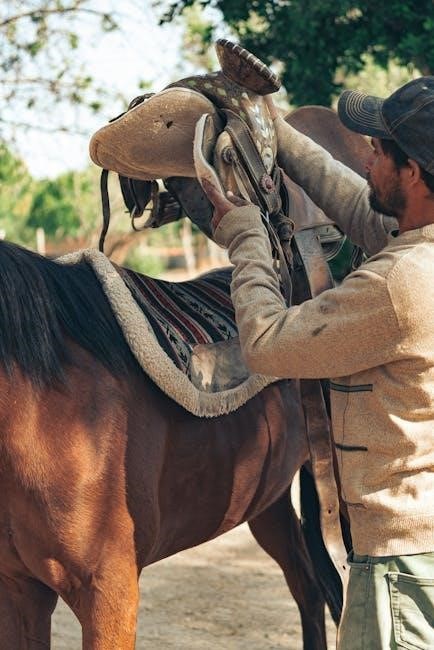
Selecting blankets with appropriate materials—waterproof, water-resistant, or breathable—and considering liner options is crucial for optimal horse comfort and protection․
Waterproof vs․ Water-Resistant Blankets
Understanding the difference between waterproof and water-resistant blankets is vital for choosing the right protection for your horse․ Waterproof blankets, typically constructed with a tightly woven fabric and a waterproof coating, offer complete protection against rain and snow, preventing moisture from penetrating the material․
However, this complete barrier can sometimes compromise breathability, potentially leading to moisture buildup inside the blanket․ Water-resistant blankets, on the other hand, offer a degree of protection against light rain and drizzle, allowing some breathability․ They are ideal for climates with moderate precipitation․
The choice depends on your horse’s environment and individual needs; a horse exposed to prolonged heavy rain requires a waterproof blanket, while a horse in a milder climate may benefit from the breathability of a water-resistant option․ Consider layering with liners to adjust warmth and moisture management․
Breathability & Moisture Management
Breathability is a crucial factor in blanket selection, preventing overheating and minimizing the risk of skin irritation․ Blankets with breathable fabrics allow moisture vapor – sweat – to escape, keeping your horse dry and comfortable, even during activity․ Poor breathability traps moisture, leading to a damp underlayer that reduces insulation and can cause chills․
Moisture management goes hand-in-hand with breathability․ Look for blankets with features like wickable linings that draw sweat away from the horse’s body․ Denier, the fabric weight, also impacts breathability; lower denier fabrics generally breathe better․
Proper ventilation, often achieved through features like shoulder gussets and tail flaps, further enhances airflow; Balancing waterproof protection with adequate breathability is key to maintaining optimal comfort and preventing moisture-related issues․
Liner Options & Their Benefits
Blanket liners offer a versatile way to adjust a blanket’s warmth without purchasing multiple blankets․ They attach inside the outer shell, adding an extra layer of insulation․ Liners come in various weights, typically ranging from lightweight to heavyweight, allowing for customized temperature regulation;
Common liner materials include fleece, nylon, and polypropylene․ Fleece liners provide excellent warmth and comfort, while nylon and polypropylene offer durability and moisture-wicking properties․ Using a liner extends the usability of your blankets throughout changing seasons․
Liners also protect the outer blanket shell from oils and dirt, reducing the frequency of full washes․ They simplify blanket care and can significantly extend the lifespan of your investment․ Consider a liner to maximize your blanketing system’s flexibility and efficiency․
Blanket Care & Maintenance
Proper washing, drying, and storage are crucial for extending blanket life and maintaining hygiene; repair minor damage promptly to ensure continued protection․
Washing & Drying Instructions
Before washing, always remove all dirt and debris with a curry comb or brush, paying close attention to areas prone to buildup․ Most blankets can be machine washed on a gentle cycle using a horse-specific detergent, avoiding harsh chemicals or bleach that can damage waterproof coatings․
For heavily soiled blankets, a pre-soak may be beneficial․ When drying, avoid direct heat as it can melt waterproof layers; instead, opt for air drying, ideally on a drying rack or hung over a fence․ Ensure the blanket is completely dry before storing to prevent mildew growth․
Some blankets may require professional laundering, especially those with delicate materials or complex repairs․ Always check the manufacturer’s label for specific instructions, as improper washing or drying can void warranties and reduce the blanket’s effectiveness․
Storage Tips for Off-Season
Proper off-season storage is crucial for maintaining blanket quality and extending its lifespan․ Before storing, ensure the blanket is thoroughly clean and completely dry to prevent mildew and unpleasant odors․ Store blankets in a cool, dry, and well-ventilated area, away from direct sunlight and pests like moths․
Use breathable storage bags or containers, avoiding plastic which can trap moisture․ Consider adding cedar chips or lavender sachets to deter insects naturally․ For larger blankets, hanging them in a garment bag can save space and prevent creasing․
Regularly check stored blankets for signs of damage or pest activity․ Rotating blankets periodically can also help prevent permanent creases and maintain their shape, ensuring they’re ready for use when the colder weather returns․
Repairing Minor Blanket Damage
Addressing small tears or damage promptly can significantly extend the life of your horse blanket․ For minor rips or tears, a heavy-duty repair tape specifically designed for outdoor fabrics is often sufficient․ Ensure the area is clean and dry before applying the tape, pressing firmly for a secure bond․
Loose stitching can be easily repaired with a sturdy needle and thread․ Use a thread color that matches the blanket for a discreet repair․ For more significant damage, consider consulting a professional blanket repair service․
Regularly inspect your blanket for wear and tear, addressing issues before they escalate into larger, more costly repairs․ Replacing small straps or buckles is also a simple fix that can prevent further damage and ensure a secure fit․